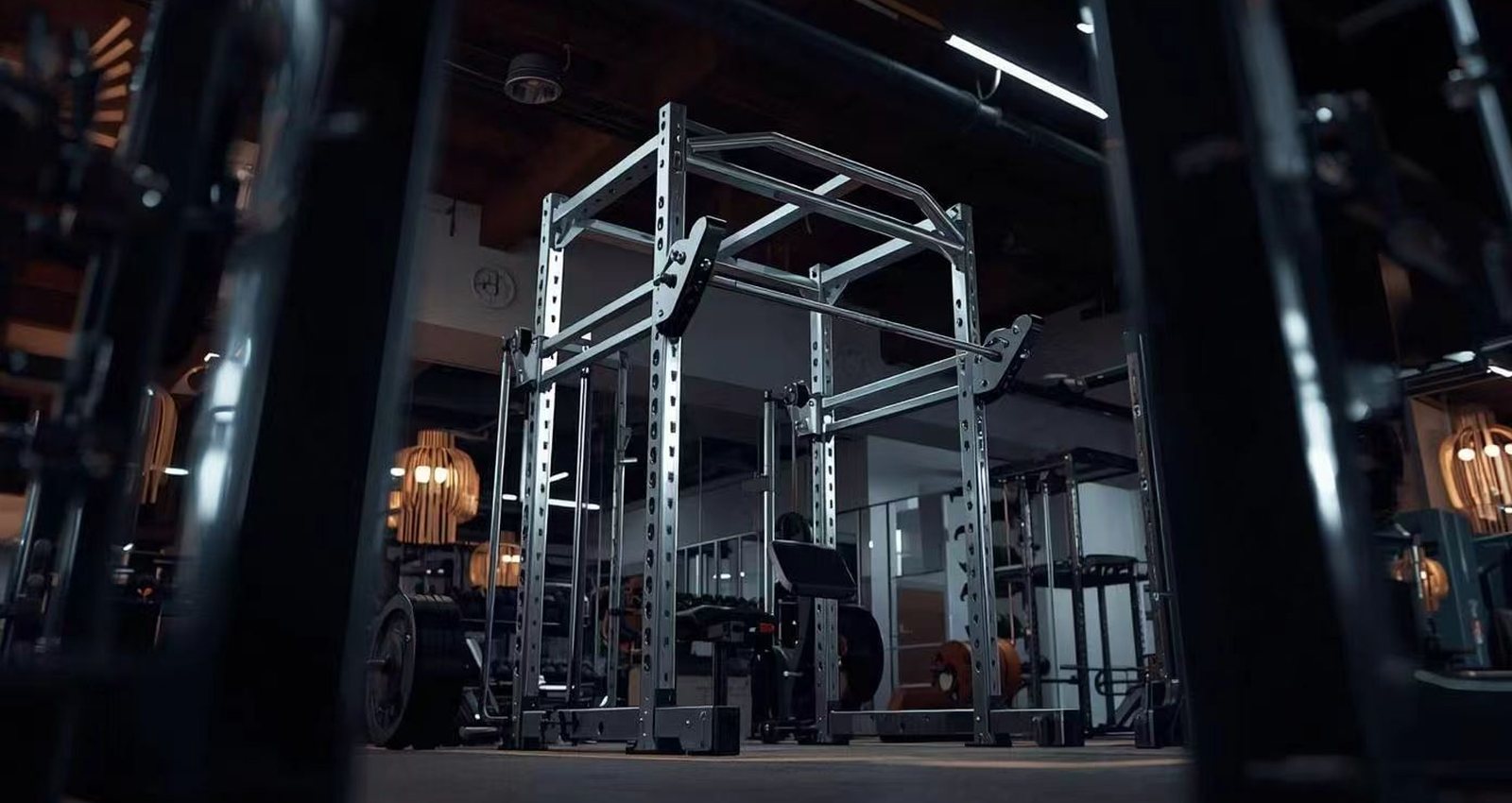
How to Choose a Commercial Power Rack Manufacturer
A buyer-focused guide for evaluating power rack suppliers, frame details, attachment planning, packing, and quotation preparation.
This guide is written for overseas buyers researching power rack supplier selection before they send a commercial gym equipment inquiry to SENFENG SPORTS. The goal is to help the buyer ask sharper questions, compare suppliers more carefully, and avoid treating price as the only decision point.
Visual Reference for This Buying Guide
A strong buying guide should not be text-only. These images help overseas buyers connect the article with real product, factory, packing, certificate, or application decisions before they send an inquiry.
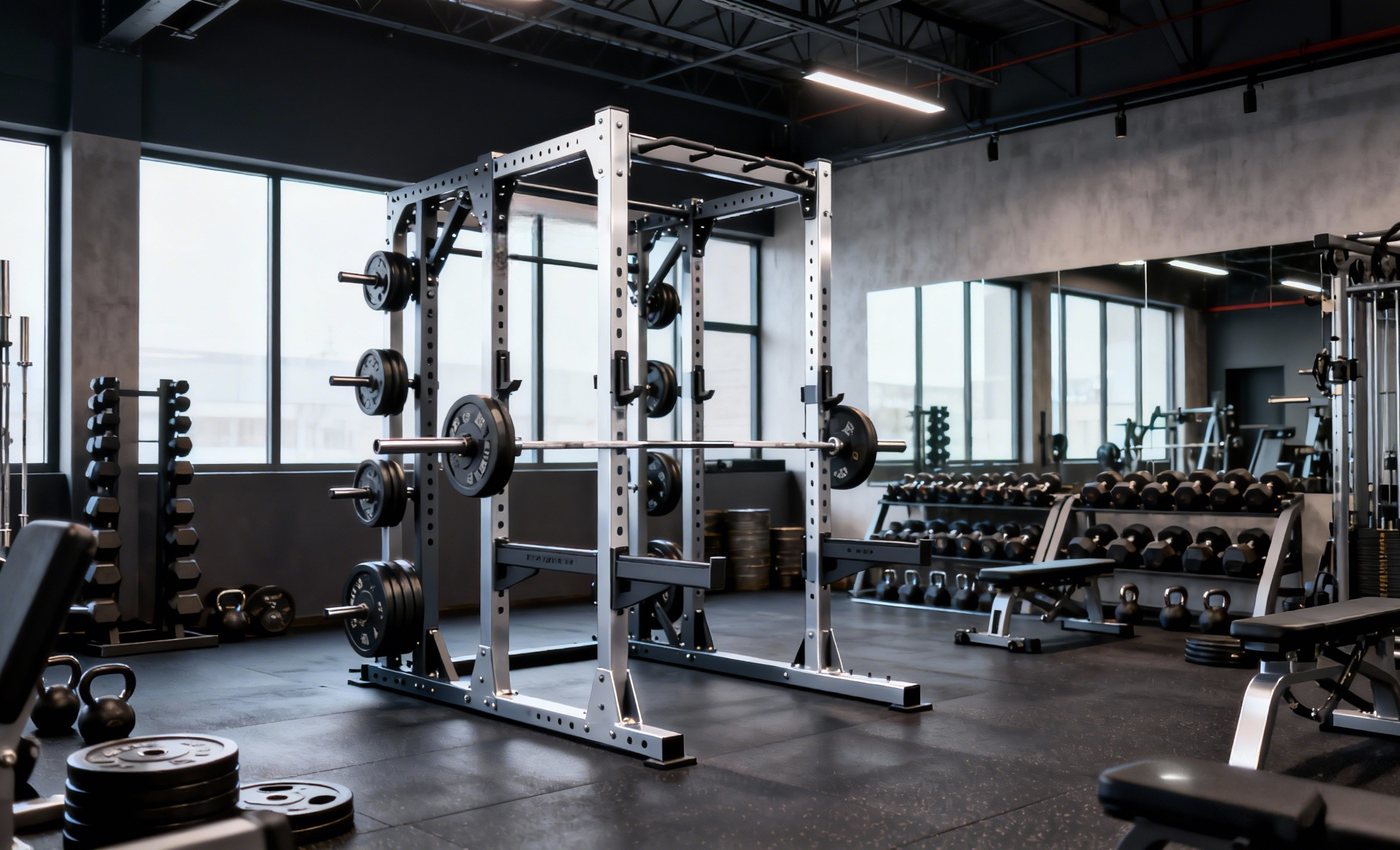
Rack Structure Reference
Check upright alignment, hole accuracy, weld finish, base stability, and attachment compatibility before comparing price.
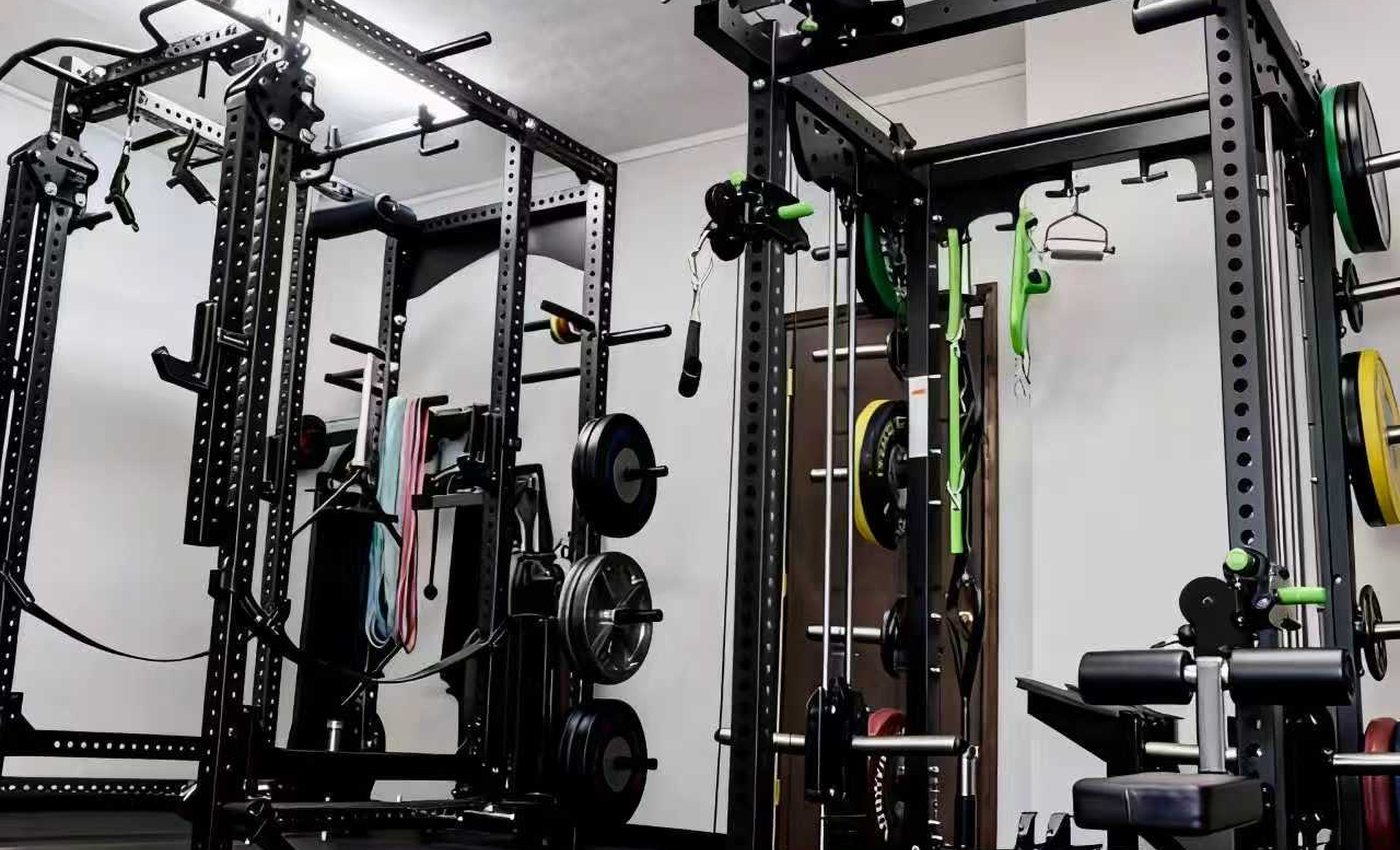
Custom Rack Direction
Use logo, color, numbering, attachments, and carton needs to explain whether the rack is for a catalog, brand line, or gym project.
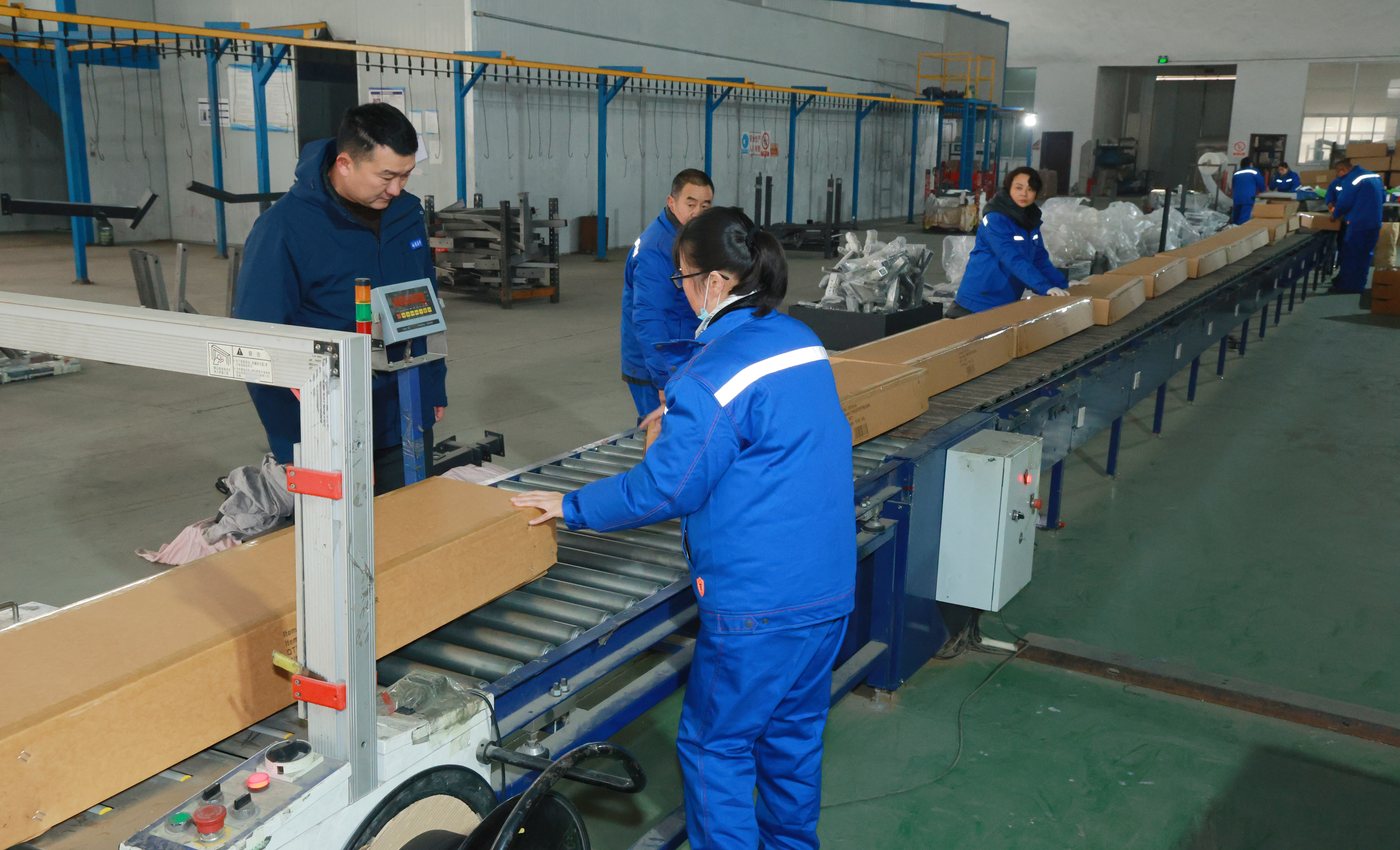
Packing and Hardware Control
Large rack parts need clear carton grouping, hardware bags, labels, and shipment preparation for overseas handling.
Start With the Rack’s Commercial Role
A power rack can be the anchor product of a strength line, a supporting item inside a full gym project, or a private-label product for a distributor catalog. The right supplier conversation starts by naming that role. A catalog rack must be repeatable and easy to explain. A project rack must fit the room and user flow. A private-label rack must support appearance decisions without creating production risk.
For a B2B order, the practical question is how this point affects model selection, packing, customization, documents, and repeat supply. The buyer should connect each decision to the destination market, quantity range, sales channel, and whether the order is a trial, catalog launch, or gym project package.
Check Structure Before Decoration
Frame size, upright alignment, hole accuracy, base stability, J-hook fit, safety options, pull-up bar detail, and attachment compatibility matter before color and logo. A rack that photographs well but creates attachment problems will cost the buyer more after installation.
For a B2B order, the practical question is how this point affects model selection, packing, customization, documents, and repeat supply. The buyer should connect each decision to the destination market, quantity range, sales channel, and whether the order is a trial, catalog launch, or gym project package.
Ask About Packing Early
Power racks are bulky. Carton protection, hardware bags, upright labels, part grouping, and instructions should be discussed before the order is finalized. Packing is not a small afterthought for overseas buyers because damage and missing parts are expensive to solve across borders.
For a B2B order, the practical question is how this point affects model selection, packing, customization, documents, and repeat supply. The buyer should connect each decision to the destination market, quantity range, sales channel, and whether the order is a trial, catalog launch, or gym project package.
Build a Better First Inquiry
A serious inquiry should include model references, expected quantity, destination country, preferred color, logo needs, attachment list, carton requirements, and whether the rack will be sold alone or with benches and free weights.
For a B2B order, the practical question is how this point affects model selection, packing, customization, documents, and repeat supply. The buyer should connect each decision to the destination market, quantity range, sales channel, and whether the order is a trial, catalog launch, or gym project package.
Quote Preparation Checklist
- Product family and preferred model references
- Estimated quantity and destination country
- Buyer role: distributor, wholesaler, brand owner, retailer, or gym project supplier
- Customization needs for logo, color, upholstery, specification, or packaging
- Document, label, manual, packing, installation, or shipment questions
The best first message is direct. It should give the sales team enough context to understand the product, market, quantity, and decision stage. If the buyer is still comparing models, it is acceptable to send photos, drawings, room layouts, or a target product level instead of a final specification.
Continue to commercial fitness equipment product categories for product categories, review OEM/ODM fitness equipment customization for custom work, or use contact SENFENG SPORTS for a quote to send the details needed for a quotation.
Common Buyer Mistakes
When buyers research power rack supplier selection, the most common mistake is asking for a price before the product role is clear. A factory can answer more accurately when it knows the buyer type, target market, order purpose, quantity range, and whether customization or documents are required.
Another mistake is separating connected questions into several short messages. Product, packing, certificates, labels, customization, and shipment planning often affect each other. A single organized message gives the supplier a better view of the real commercial requirement.
Supplier Questions to Prepare
- Which product family and model references should be quoted first?
- What quantity range should the supplier use for the first response?
- Which destination country, sales channel, or project type affects documents or packing?
- Which product changes are required and which can stay flexible?
- What photos, drawings, room plans, or packaging files can be attached?
Use the guide as a preparation tool, then move into direct communication. SENFENG SPORTS can respond more effectively when the buyer turns the article into a concrete quote brief with product names, model references, quantities, customization notes, and timing.
For repeat supply, the buyer should also ask which details need reconfirmation on future orders. Color, labels, carton text, manual requirements, model updates, and shipping plans can change across seasons or sales channels. Keeping those points visible early reduces avoidable back-and-forth.
How to Choose a Commercial Power Rack Manufacturer Practical Sourcing Context
For How to Choose a Commercial Power Rack Manufacturer, the buyer should connect the page topic with a real buying plan instead of reading it as a general introduction. Useful context includes the product family, intended market, order quantity, buyer role, customization level, packing expectations, document needs, and timing.
A better inquiry helps both sides. The buyer receives a more relevant first response, and the factory can focus on model direction, feasibility, production questions, packing, and next steps. This is especially important for overseas buyers who cannot inspect every product in person before the first order.
 SENFENG SPORTS